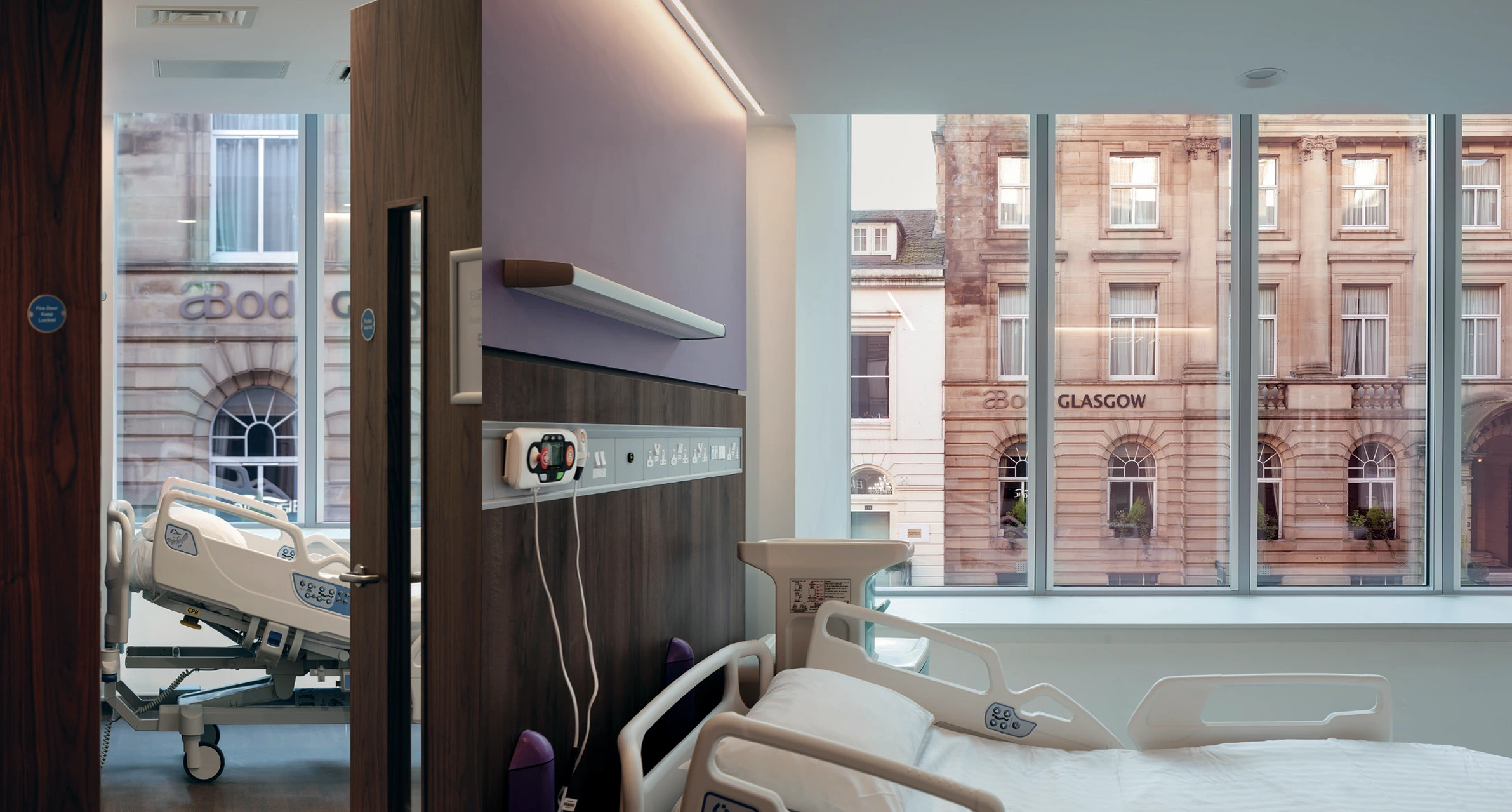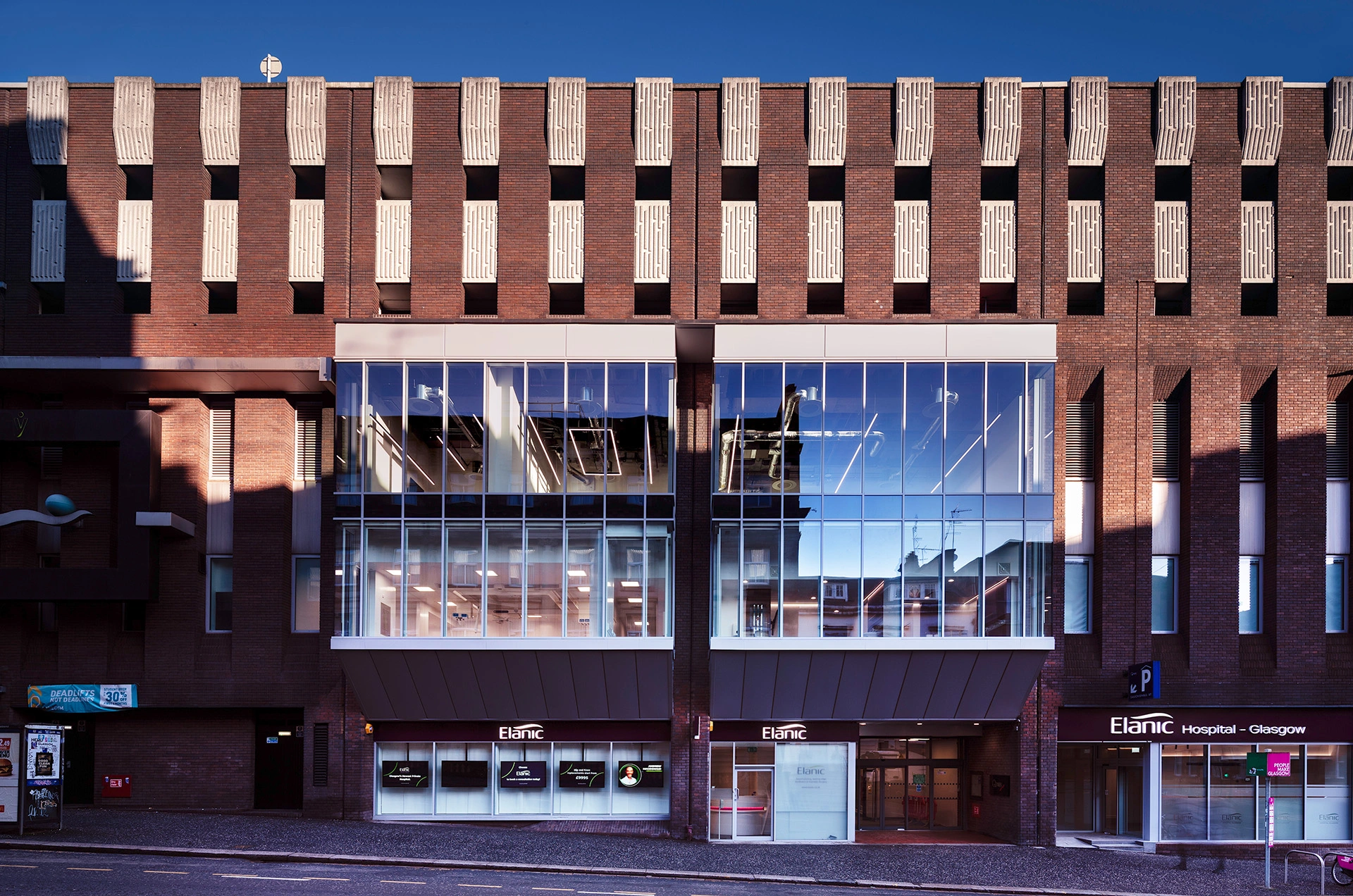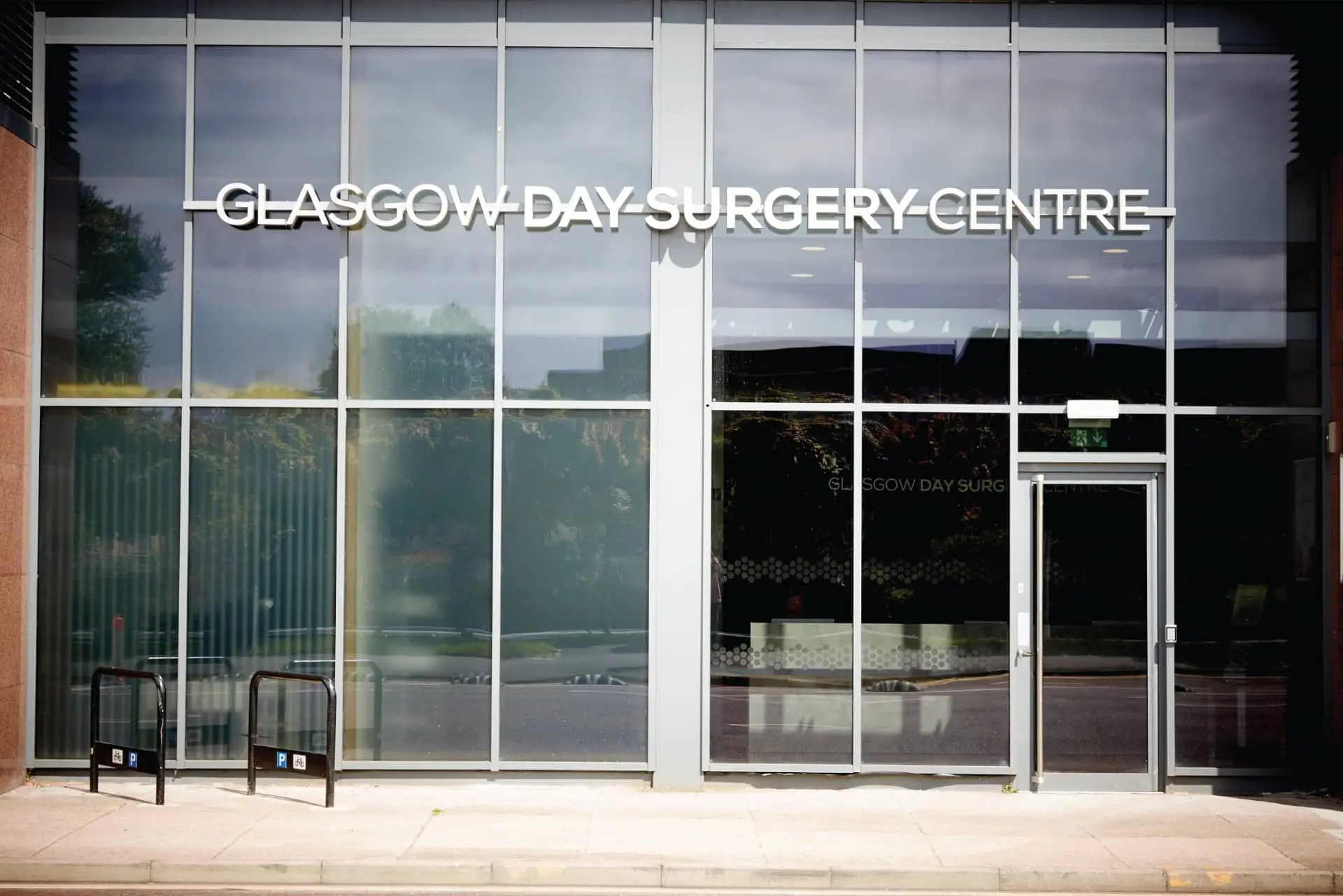
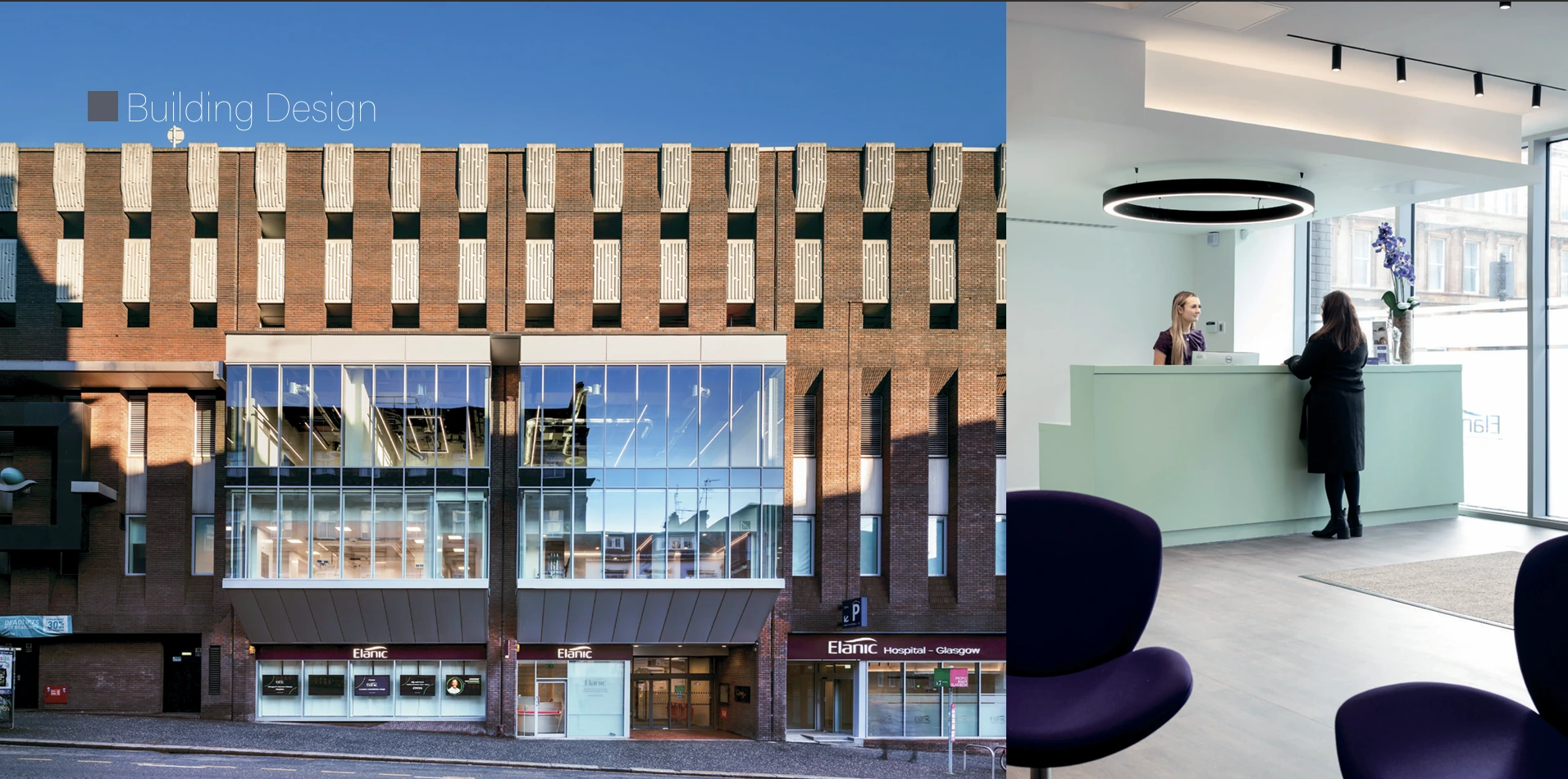
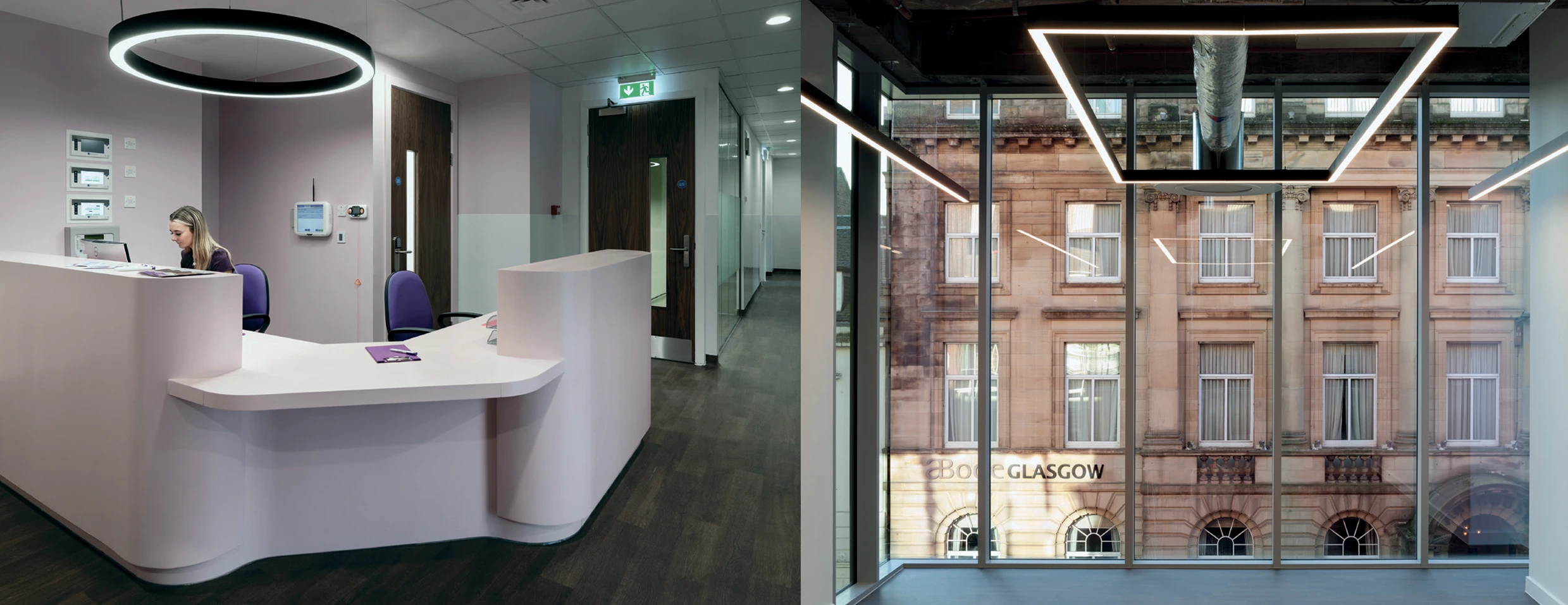
Designers at Glasgow-based NVDC Architects are celebrating after their work on a new private hospital development won a host of awards for showcasing the benefits of retrofit over new-build. The Elanic Private Hospital project in Glasgow City Centre, which opened to the public in February this year, recently received a ‘Gold’ award in the ‘Health’ category at the Scottish Design Awards 2025. It has also been shortlisted for the AJ Retrofit and Reuse Awards 2025 in the Adaptive Reuse category. The £6m project is setting a benchmark for the future delivery of healthcare infrastructure as it reutilises an existing property — speeding up delivery and helping to revitalise a key city centre asset. Client, Dr Vivek Sivarajan, medical director and founder of private healthcare specialist, Elanic, set a brief to create a fully-compliant day surgery and hospital featuring the latest technological advances in healthcare combined with a comfortable, non-institutional feel.
Farahbod Nakhaei, managing director of NVDC, told Healthcare Property: "The client was open to new-build or retrofit, with both approaches having advantages and disadvantages.
"For us as designers it is like writing music; you absorb the brief and develop a creative solution and series of spatial experiences that are functional and practical while pleasurable to the senses..."
"With the demise of retail, and the impact this is having on city centres everywhere, it is important that new uses are introduced so that our cities remain at the heart of community activities." 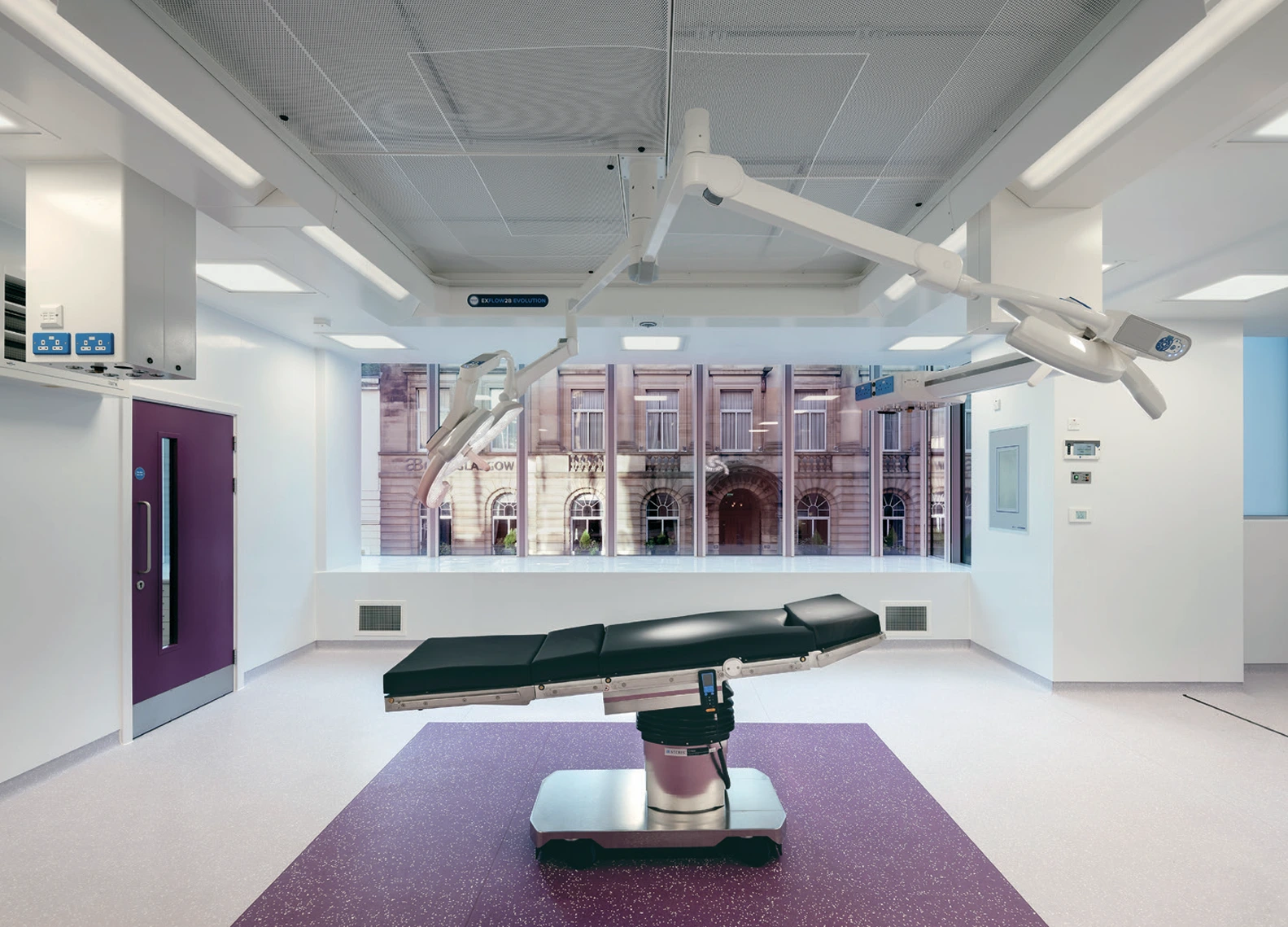
“With new build there are longer lead times and delivery times, but it is easier to consider things like net zero.
“But, with an existing building, there are time advantages and the location is better in terms of public access.
“For us as designers it is like writing music; you absorb the brief and develop a creative solution and series of spatial experiences that are functional and practical while pleasurable to the senses.
“We looked at a number of properties, but this building was the right footprint and had the right sort of spaces to fit in the accommodation they needed.”
The team eventually chose the former Bath Street branch of the Royal Bank of Scotland, a commercial unit located in one of the city centre’s neglected Brutalist buildings within an old shopping centre. It had been empty since the early 2000s when the bank closed the site.
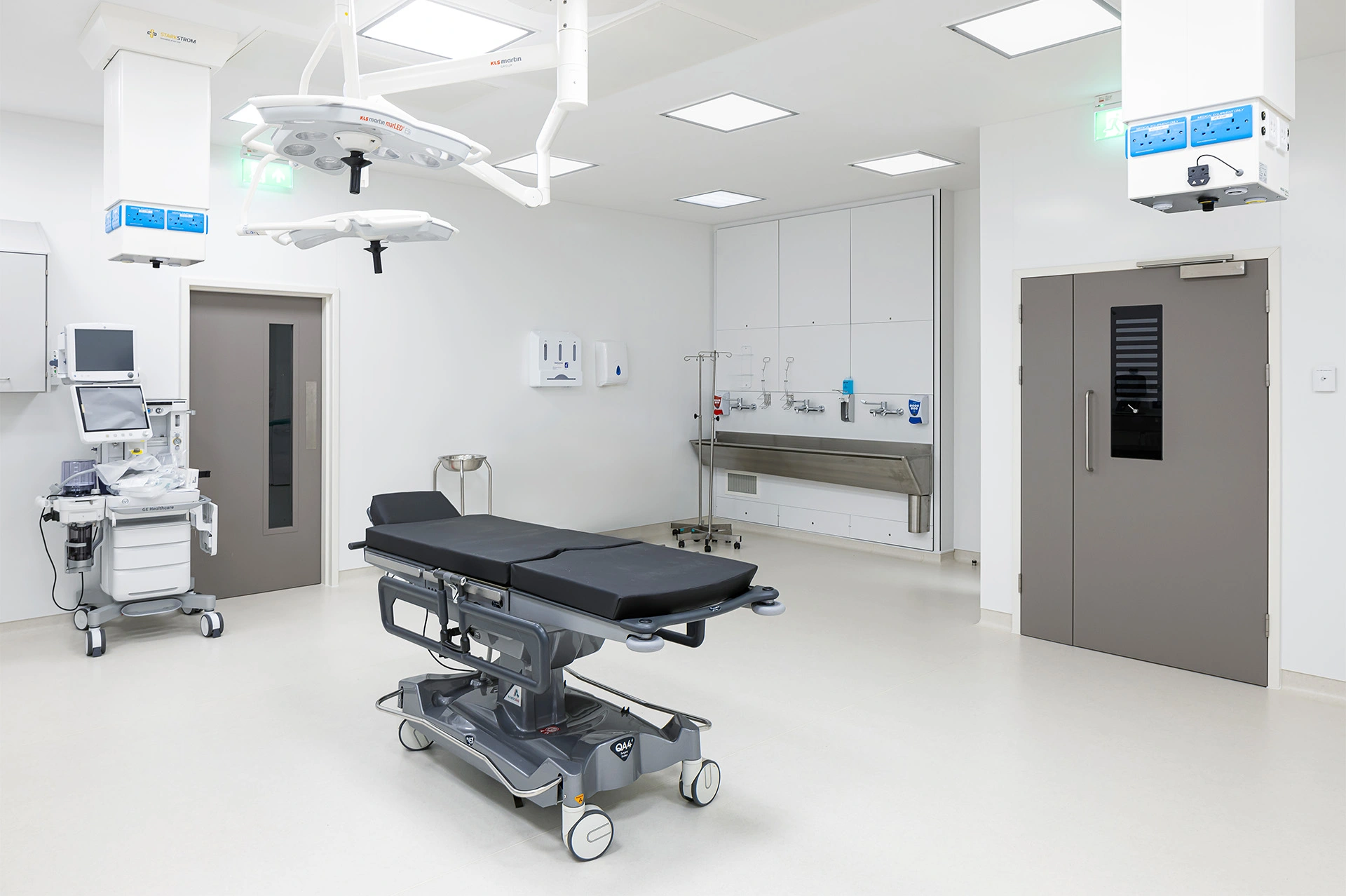
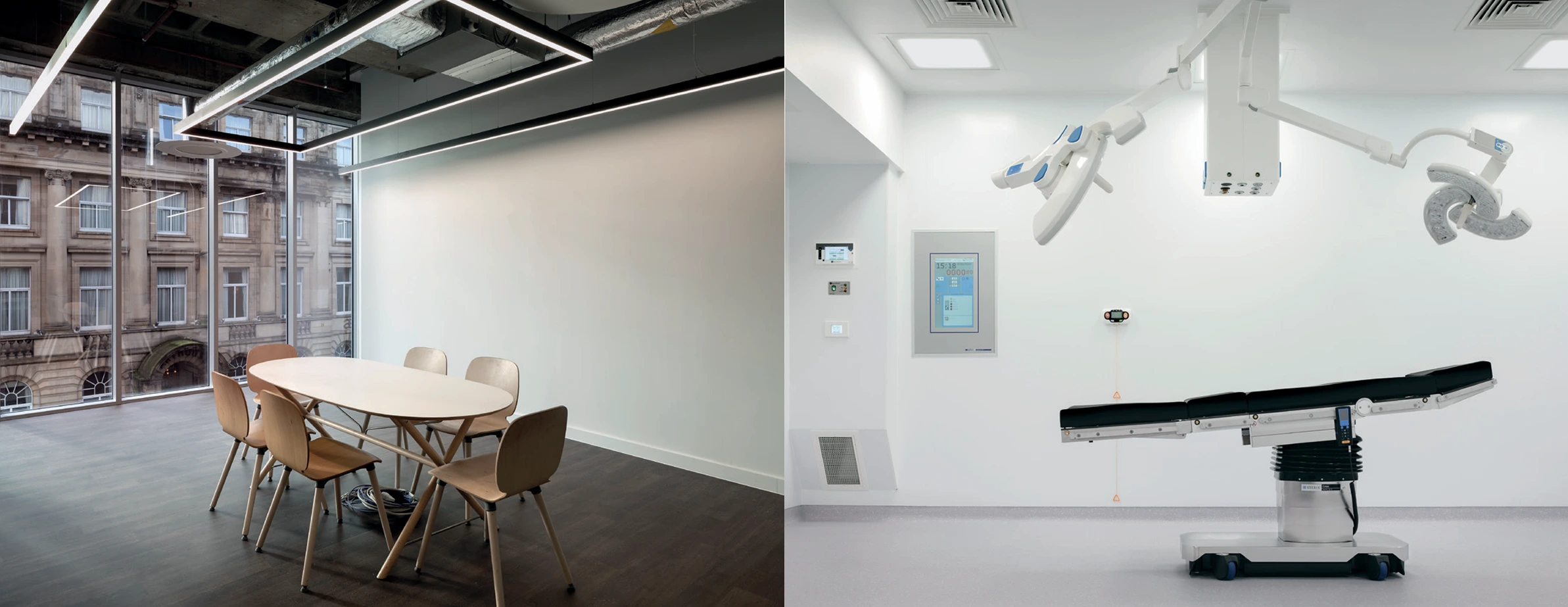
The unit, surrounded by active retail and commercial spaces on all sides, has now been transformed into a compliant, functional, and attractive hospital facility with two operating theatres, five day beds, recovery rooms, inpatient wards, staff areas, labs, kitchens, and offices.
“Putting a pre-fab in an out-of-town location would have been cheaper alternative,” said Nakhaei.
“However, we recommended re-use of the existing building as the most environmentally-responsible option.
“This 1980s building is a noteworthy example of modernist Brutalist architecture, and so part of Glasgow’s built heritage and history.
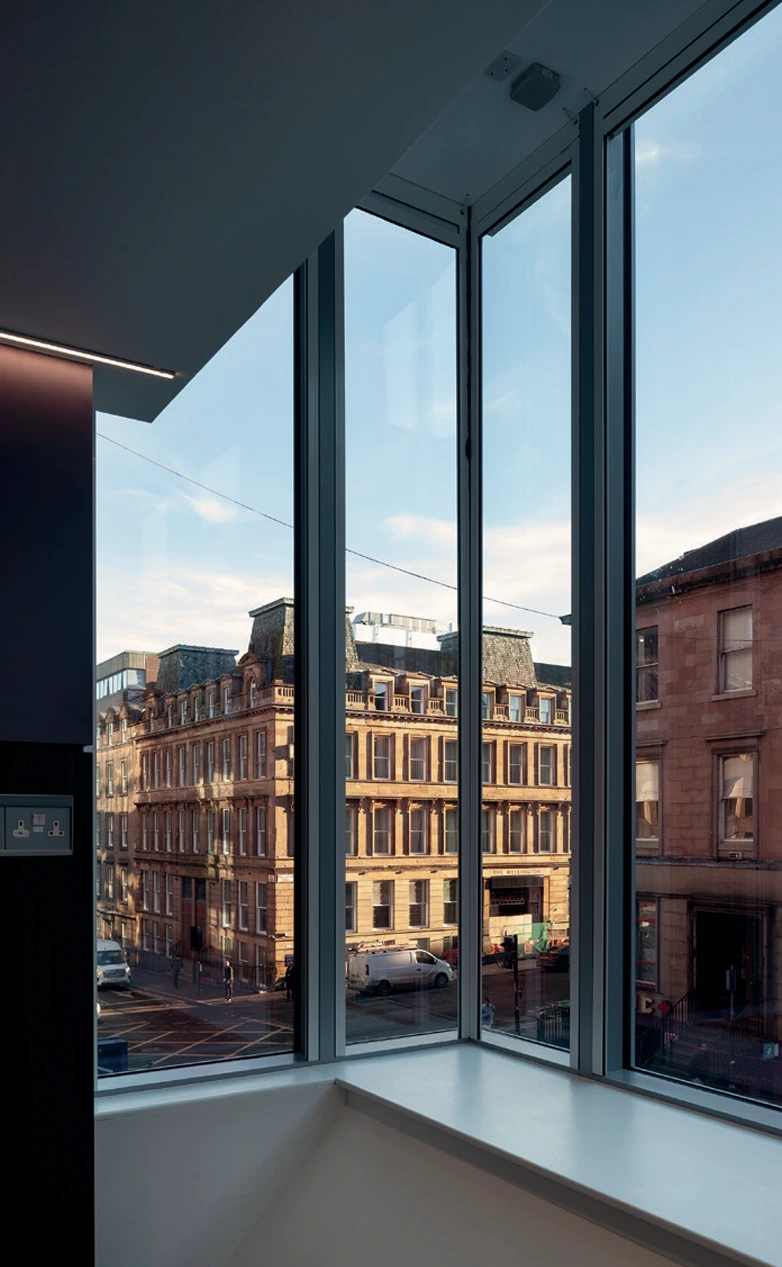
“With the demise of retail, and the impact this is having on city centres everywhere, it is important that new uses are introduced so that our cities remain at the heart of community activities.
… we used our skills and experience to overcome the challenges and will take learning from this scheme to future projects where retrofit may be a possible solution
“An active and vibrant city centre is crucial in creating attractive cities with a feelgood factor. This will attract new investment and bring with it a stronger economy for the city and residents.
“That is what we have done with the new hospital, which not only re-uses a large commercial unit which otherwise would have lain empty for years and reinforces the feeling of a deteriorating city, but creates jobs, attracts activity into city centre, and bring with it forces of regeneration.”
Elanic Private Hospital features one of the most-technologically-advanced operating theatres in Scotland, with the aim of carrying out more-complex surgeries as day procedures.
Nakhaei said: “There were a number of layers to this project. “It was a challenge working with a number of other tenants in the centre and there is a carpark above the units.
“We also could not do very much to the façade of the building itself.”
Architect, Anna Dach, added: “It was a very creative process, a bit like a jigsaw.
“We couldn’t move the walls, but we had a brief from the client of what we needed to fit in this box and it needed to do the job and look good.
“This building was very spacious, so we had to use our experience to make sure we delivered exactly what the client needed.”
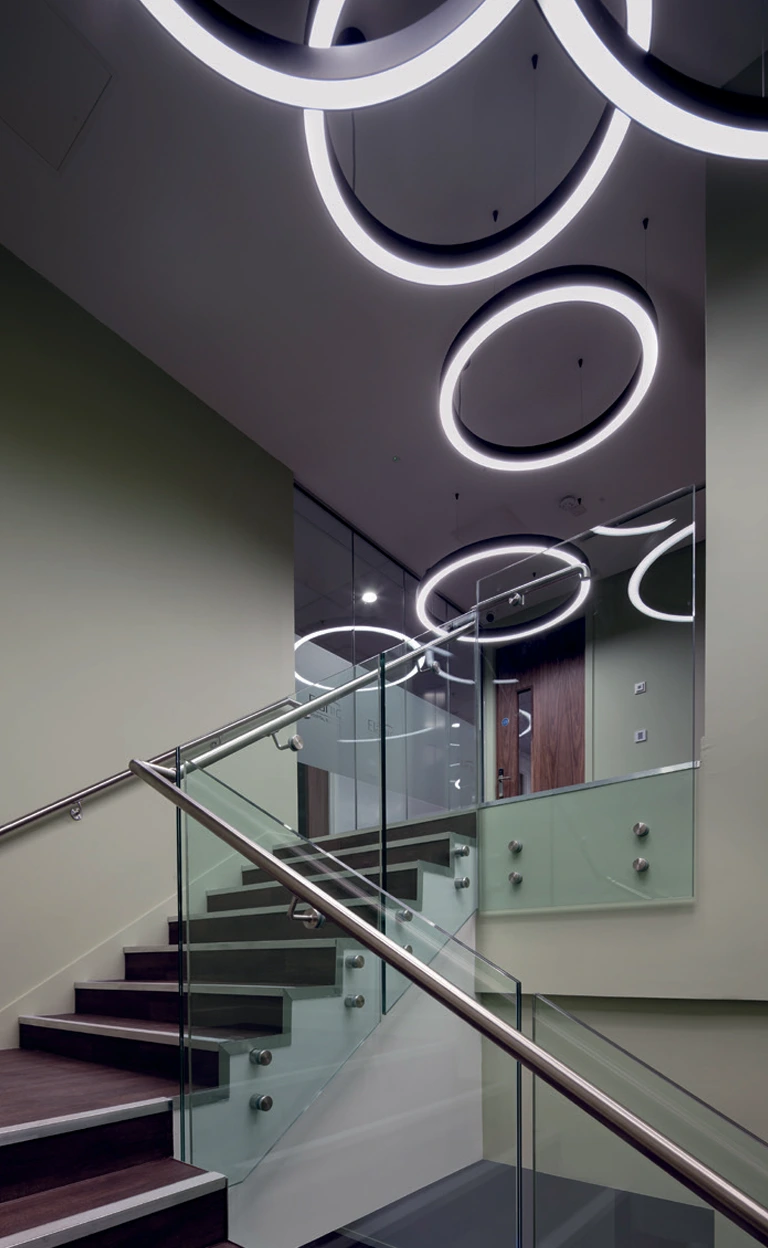
The project also aimed to improve the energy efficiency of the building through the installation of a new heat recovery ventilation system in line with SHTM guidelines and requirements; double glazing on all windows; and, where possible, new insulation was installed. In addition, all lighting is LED with motion sensors and PIRs to ensure power wastage is minimised.
Nakhaei said: “This has been a really interesting project and one which highlights the benefits of retrofit where it is suitable for projects like this.
“It’s a fixed structure so you are restricted in what you can do, but we used our skills and experience to overcome the challenges and will take learning from this scheme to future projects where retrofit may be a possible solution.”
Architects NVDC
Structural Engineer The Structural Partnership
M+E Consultants Charles Scott & Partners
Quantity Surveyor CRGP for the initial stages and GCM
Main Contractor Redpath Construction
Photography David Barbour