From Bank to Hospital: Adaptive Reuse and Clinical Planning at Elanic
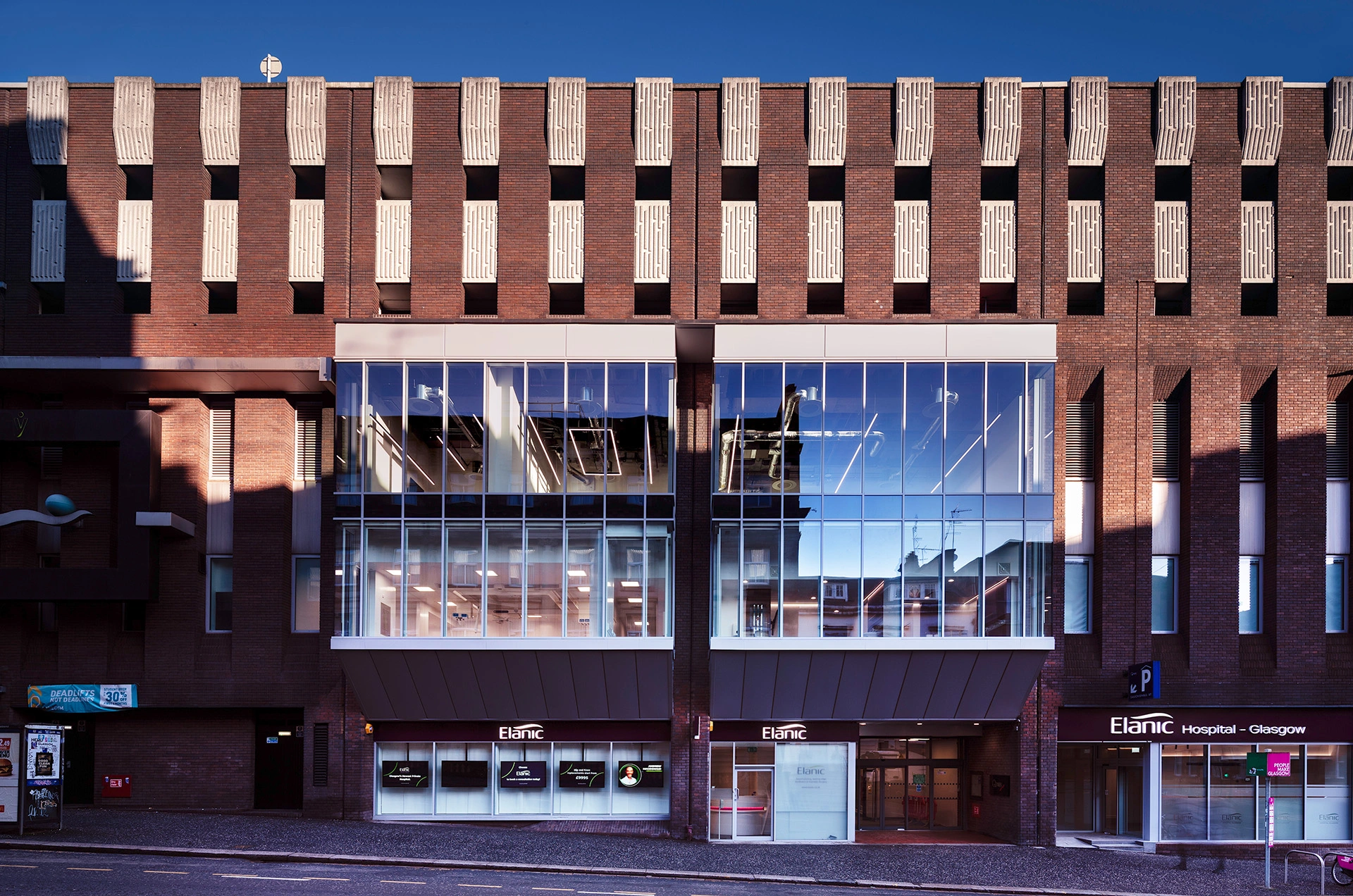
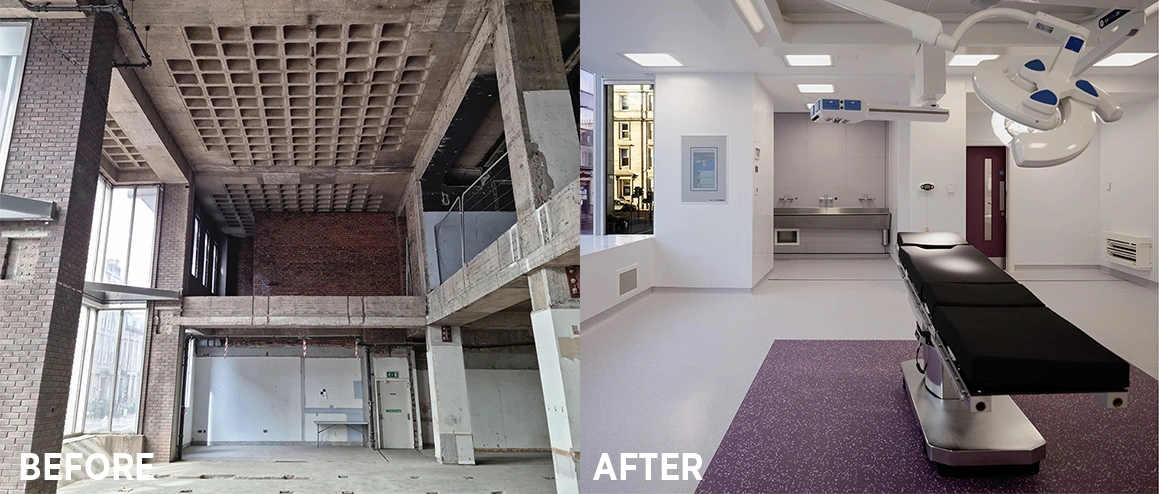
The conversion of a former city‑centre bank into the Elanic Private Hospital required a precise and disciplined retrofit strategy.
Working with an existing structure originally designed for secure and highly controlled operations, the project demanded a reorganisation of space that could accommodate contemporary clinical requirements while maintaining the inherent efficiencies of the building. The central task was to create an environment capable of supporting safe surgical practice, effective staff workflows, and a patient experience that felt calm, clear, and grounded in evidence‑based design.
The design process began with the mapping of clinical flows. Patient routes from admission through pre‑operative preparation, theatre, recovery, and discharge were tested at full scale, alongside staff movements, clean supply routes, and pathways for dirty returns and decontamination. These flows were assessed in detail against infection‑control principles, operational logic, and ergonomic demands. Early refinements to turning radii, door widths, and trolley clearances ensured that the layout supported predictable and efficient movement. The clarity of these routes provided the organisational framework for the rest of the design, guiding decisions about structure, services, and spatial hierarchy.
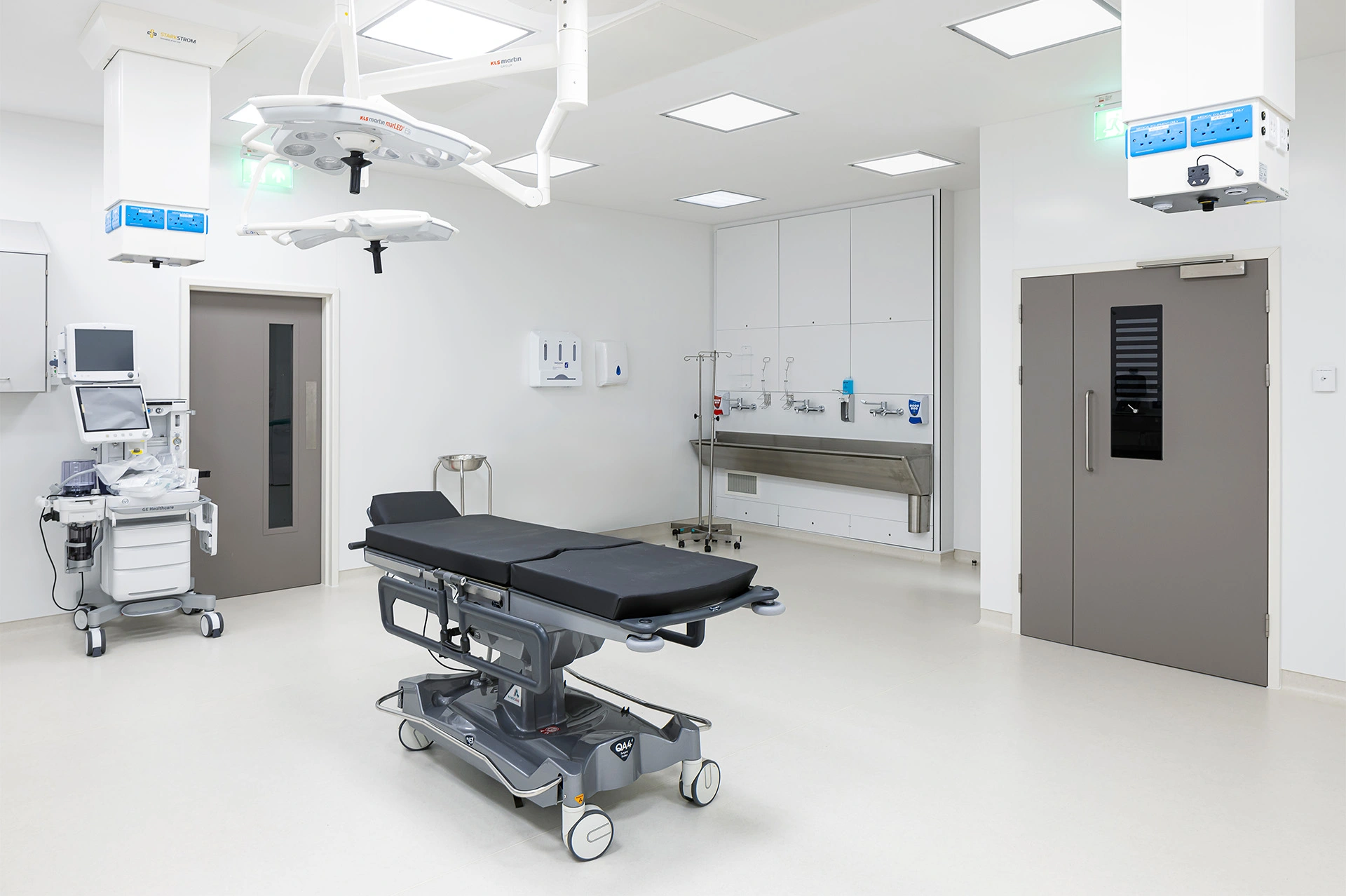
Achieving theatre‑grade environmental performance within an existing building required a carefully coordinated ventilation strategy. Heat recovery ventilation was introduced, air‑change rates were defined, and pressure regimes were established for theatres, preparation areas, and ancillary spaces. Plant locations, riser positions, and service access routes were planned from the outset to ensure that maintenance could occur without compromising sterile or semi‑sterile zones. Environmental control in a healthcare setting is not a secondary technical requirement; it is a primary determinant of clinical safety, staff performance, and long‑term operational resilience.
Structural adaptations were approached with restraint. New risers and service penetrations were introduced where necessary, but interventions were minimised to respect the existing building fabric. Plant distribution was influenced by acoustic and vibration criteria critical for operating theatres, informing floor build‑ups, service isolation, and equipment positioning. The retrofit strategy sought to integrate new systems in a way that supported clinical performance without unnecessary structural disturbance.
Patient well‑being was addressed through aspects of design known to influence comfort and recovery. Daylight was reintroduced wherever clinically appropriate, particularly in waiting, admission, and early recovery spaces, where natural light supports orientation and reduces stress. Material choices prioritised clarity and hygiene while avoiding visual clutter. Sightlines were organised to support intuitive wayfinding, reducing cognitive load for patients and enabling staff to move efficiently between tasks. Acoustic management was integrated to create a quieter, more controlled environment. These decisions reflect a commitment to design as a contributor to the healing process through environmental quality rather than thematic or stylistic gestures.